'/%3E%3C/svg%3E)


How to paint many miniatures in a short time? That’s the question in every players heads. In fact, many board games and wargames require many miniatures and the idea of having to paint them all is a bit depressing if the aim is not so much having fun painting but having everything ready to play.
There is in fact a clear distinction between hobbyists who want their board game painted, therefore players, and hobbyists who enjoy painting their miniatures, therefore artists. This distinction must be well understood when choosing the products to work with. The Army Painter in this is often criticized when compared to products for professional artists such as Kimera paints or Winsor & Newton brushes, but many forget that The Army Painter’s mission is precisely to provide low-cost tools that allow players to have everything ready to play as soon as possible.
In fact, it is no coincidence that most of The Army Painter’s products are color sets designed for the plenitude of a single table top game. The target of this company is the player, not the professional artist. So much so that their slogan is:
Created by gamers, for gamers
How to paint many miniatures in a short time with the QuickShade
In this sense, therefore, one of The Army Painter’s most innovative products was the Quickshade. A jar of particularly dense and viscous paint that creates a homogeneous and at the same time extremely protective layer of shading on the miniature. A product presented to the market long before Citadel, with its “one thick coat” presented the Contrast color series. However, I clarify that Constrast and Quickshade are different products, albeit with the same target (players with little desire to paint or become good at it). But let’s go back to the Quickshade.
The Quickshade is available in three colors, all brown:
- Soft tone
- Strong tone
- Dark tone
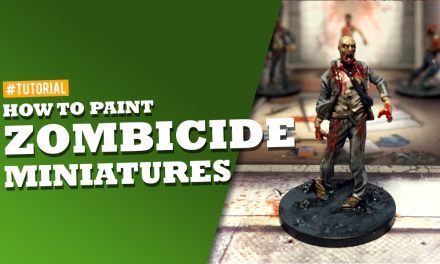
I suggest you use the second, the strong tone, as a middle ground tone useful for most miniatures. However, consider that you are going to give a unique coat of shader to the whole miniature, brown in color. This is why I believe this product is useful for players who have no interest in making perfect miniatures or works of art. However, a brown shade is more suitable for miniatures such as zombies or animals such as horses and furred characters such as werewolves. For Warhammer players the Nurgle poxwalkers are certainly ideal, but I would avoid like the plague the use of this product for space marines.
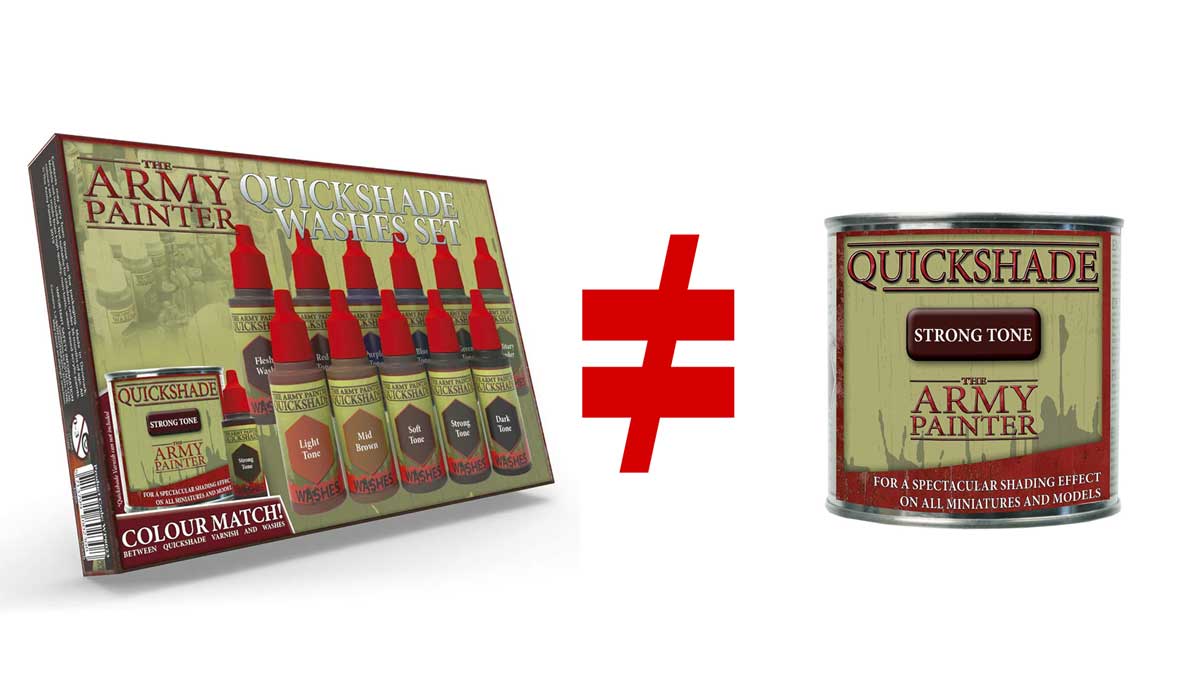
Quickshade Vernish VS Quickshade Washes
Before explaining how QuickShade is used, let’s make a distinction: with the term “Quickshade”, The Army Painter also identifies its own shaders. However, this is a very different product that should not be confused with shaders. The full name of the two products is in fact Quickshade Varnish, which is a VARNISH as the name says, and Quickshade Wash, which are WASHES. The Quickshade Wash is in fact a classic acrylic shader available in many colors beyond the shades of brown, it dries quickly and can be applied by brush. The Quickshade in a jar, on the other hand, is a non-acrylic paint that creates a thick layer on the miniature, dries in several hours and can also be used with the “dipping” technique, i.e. immersing the whole miniature in the jar (although as you will see in the video, I advise against it). Maybe giving it two slightly different names or better highlighting the difference between paint and washes would help newbies.
How to use the Quickshade
To use the QuickShade Varnish therefore you will first have to paint your miniatures with a primer and base colors. I advise you to use fairly bright and light shades, so that the cover with the Quickshade does not darken the finished miniature too much.
Therefore, to paint many miniatures, you should first carry out this step on a large number, as many as your game foresees. To make sure you like the result before tackling this big job, you can experiment on a toy soldier, or an old miniature.
Once your miniatures are ready, open the Quickshade and spread a layer of product all over the miniature taking care to remove any excess. If you overdo it with the Quickshade you risk that the miniature will remain “sticky”, so moderate the quantities with the brush and try to remove the product from the most highlighted parts.
At this point, let it dry in a well ventilated and clean place for many hours. The Army Painter claims 24 hours, but it depends on the temperatures where you live. For me in Rome for the demo in the following video, on a spring day (temperatures between 15 ° and 20 °) it took about 4 hours. However, I advise you to take all the time necessary, to avoid damaging the miniature, let it dry properly and then proceed.
The matte or glossy finish?
Once dry you will find that the Quickshade leaves a highly glossy finish on the miniature. You may like it or not, it’s up to your taste and what you want to achieve. Generally, however, the glossy finishes do not give much way to appreciate the details of the miniature. You can then apply a layer of anti-shine which, in addition to removing the gloss, allows you to have an additional protective layer on the miniature. The combination of these two products creates miniatures that are truly resistant to any game impact, without the danger of the color coming off while playing.
The matt finish can be applied with a brush or airbrush. But most likely, as we said, you are a player and you don’t do anything with an airbrush. You can then use a spray can. To apply this finish, I advise you to fix the miniatures to a surface (a solid cardboard or a wooden board will be fine) with patafix at regular and alternating distances, like a chessboard. At this point, give the product with small sprays at a distance of 30cm on all the miniatures. Avoid giving it to a single miniature. This is because the risk is to accumulate too much product which will end up creating a white patina that is not very pleasant to see.
Conclusions about how to paint many miniatures in a short time?
By following these instructions I am sure you will be able to paint many miniatures in much less time than you thought was necessary. For any clarification on how to proceed, you can watch the video below.